

In today’s fast-paced world, it’s easy to feel overwhelmed by constant distractions and stress. Whether it’s work pressure, personal challenges, or the never-ending stream of notifications, it can often feel like there’s no escape from the noise. That’s where mindfulness comes in.
Mindfulness is the practice of being fully present in the moment, paying attention to your thoughts, feelings, and surroundings without judgment. It’s about connecting with the here and now, rather than being caught up in the past or future. If you’re new to mindfulness, don’t worry—you don’t need any special skills or experience to start. Here’s your beginner’s guide to beginning your mindfulness journey.
1. What is Mindfulness?
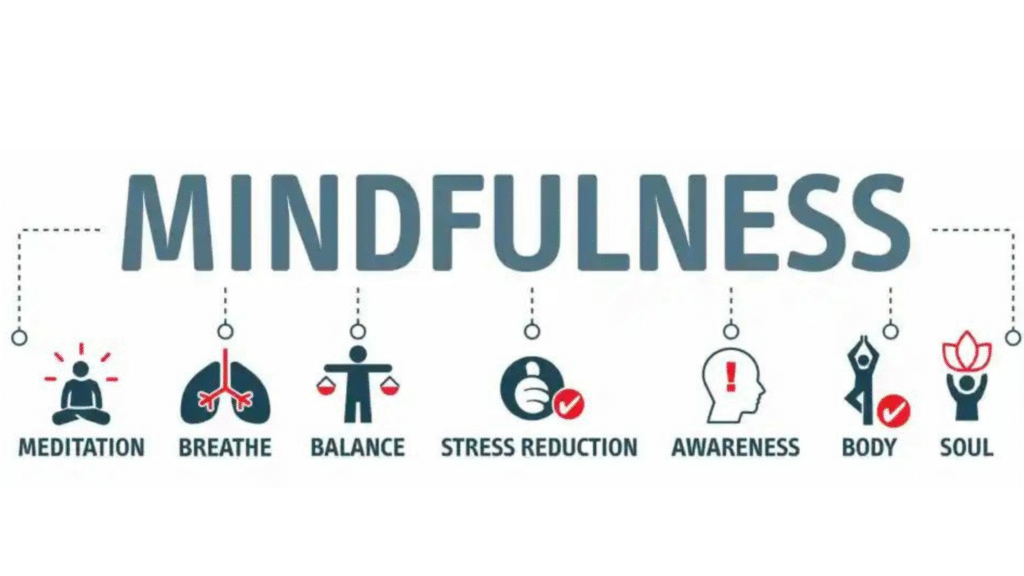
Mindfulness is simply the practice of focusing on the present moment. It’s about being aware of your thoughts, emotions, and sensations without trying to change or judge them. Through mindfulness, you cultivate a sense of calm and clarity, allowing you to approach life with greater awareness and ease.
At its core, mindfulness helps you step away from autopilot mode. Instead of reacting automatically to situations, mindfulness helps you respond thoughtfully, enhancing your mental well-being and emotional health.
2. The Benefits of Practicing Mindfulness
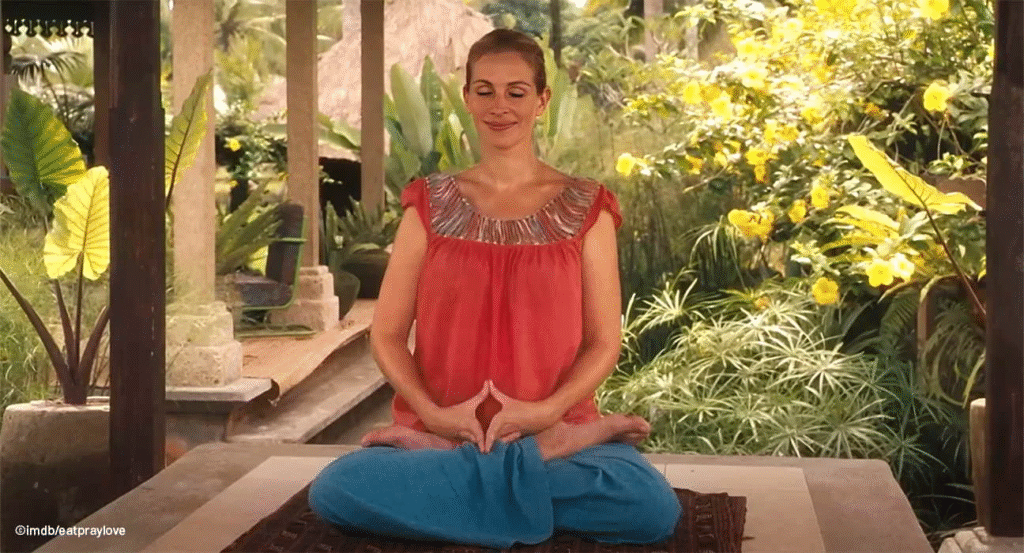
There are many benefits to incorporating mindfulness into your daily life, including:
- Reduced Stress: Mindfulness allows you to step back from the chaos and quiet your mind, reducing feelings of stress and anxiety.
- Improved Focus: By practicing mindfulness, you train your mind to stay focused on the present, which can boost productivity and concentration.
- Better Emotional Health: Mindfulness encourages self-awareness, helping you process emotions in a healthier way.
- Improved Relationships: Being present and attentive in your interactions with others can lead to stronger, more meaningful relationships.
- Better Physical Health: Regular mindfulness practice can reduce blood pressure, improve sleep, and strengthen your immune system.
3. How to Start Your Mindfulness Journey
Starting your mindfulness journey doesn’t require hours of meditation or expensive retreats. You can begin with simple practices that fit into your daily routine. Here are some easy steps to help you get started:
Step 1: Set a Clear Intention
Mindfulness is about being intentional with your time and energy. Start by setting an intention for your practice. Why do you want to practice mindfulness? Whether it’s to reduce stress, improve focus, or simply live more in the present, having a clear intention will guide you.
Step 2: Find a Quiet Space
To begin, find a calm, quiet space where you won’t be disturbed. It can be a quiet room, a cozy corner, or even a peaceful spot in a park. The key is to choose a place that allows you to focus and feel at ease.
Step 3: Start with a Few Minutes of Breathing
A simple and effective way to begin is through mindful breathing. Close your eyes and take a few slow, deep breaths. As you inhale, focus on the sensation of air filling your lungs. As you exhale, pay attention to how the air leaves your body. If your mind wanders (which it will), gently bring your attention back to your breath.
Start with just 5 minutes a day. Over time, you can gradually increase the duration as you become more comfortable with the practice.
Step 4: Focus on Your Senses
Another easy mindfulness exercise is to focus on your senses. Take a moment to tune in to the world around you. Notice what you can see, hear, smell, taste, and touch. This helps ground you in the present moment and strengthens your awareness.
For example, while walking outside, you might notice the sound of birds chirping, the feeling of the wind on your skin, or the scent of fresh flowers. By engaging your senses, you bring yourself fully into the present.
Step 5: Practice Mindful Listening
Mindful listening is another simple way to practice mindfulness in daily life. The next time you have a conversation, truly listen to the other person without planning your response or letting your mind wander. Focus on their words, tone of voice, and body language. This practice helps you connect deeply with others and fosters better relationships.
4. Overcoming Common Mindfulness Challenges
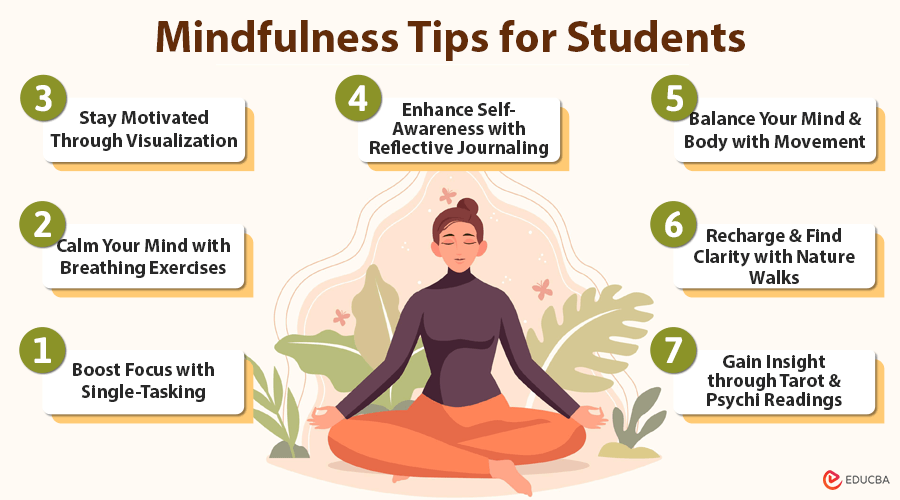
As a beginner, you may face some challenges when starting your mindfulness practice. Here are some common obstacles and tips for overcoming them:
- Restlessness or Fidgeting: It’s normal for your mind to wander or for your body to feel restless when starting out. Try not to get frustrated. Instead, acknowledge your discomfort and gently bring your attention back to your breath or body.
- Difficulty Staying Present: Your mind might frequently wander, thinking about tasks, past events, or future worries. This is completely normal. Just notice when your mind drifts, and with kindness, bring your focus back to the present moment.
- Impatience: Mindfulness is a practice, and progress takes time. Don’t expect immediate results. Consistency is key—so be patient with yourself as you develop your mindfulness skills.
5. Mindfulness in Daily Life
Mindfulness doesn’t just have to happen during meditation sessions. It can be integrated into everyday activities, making every moment an opportunity to practice. Here are some ideas for bringing mindfulness into your daily routine:
- Mindful Eating: Focus on each bite, noticing the taste, texture, and aroma of your food. This will help you enjoy your meals more and prevent overeating.
- Mindful Walking: Take a short walk, paying attention to each step and the sensations in your body as you move.
- Mindful Commuting: Whether you’re driving or taking public transport, use your commute as a time to practice mindfulness. Focus on the sights, sounds, and feelings during your journey.
Conclusion: Embrace the Present Moment

Mindfulness is a simple yet powerful practice that can bring about profound changes in your life. By taking small, consistent steps to bring your attention to the present moment, you can reduce stress, improve your mental well-being, and create more meaningful connections with yourself and others. Remember, mindfulness is a journey, not a destination, so be gentle with yourself as you begin.
The information and practices shared in this blog are for general guidance and personal reflection. While mindfulness has been shown to have positive effects on mental and emotional health, individual results may vary.
#MindfulnessForBeginners #MindfulnessJourney #BePresent #MindfulLiving #MindfulnessPractice #Carrerbook #Anslation #LiveInTheMoment #MindfulnessMeditation #MentalHealthMatters #StressRelief #MindfulLife #InnerPeace #SelfAwareness