

Introduction: The Growing Concern of a Mental Health Crisis
Nowadays, mental health has become an issue that cannot be ignored. Millions of people struggle with mental health problems every day, and the latest WHO (World Health Organization) report 2025 further highlights this crisis. According to the report, more than 1 billion people face mental health challenges. These figures are not only shocking but also highlight the need for immediate and effective action.
According to the WHO, mental health isn’t just about psychological issues , but is also linked to our physical health, lifestyle, and social context. Today, we’ll look at the WHO report’s updates, why it’s important to pay attention to mental health, and how we can address this issue.
1. WHO Report 2025: Over 1 billion people struggle with mental health challenges
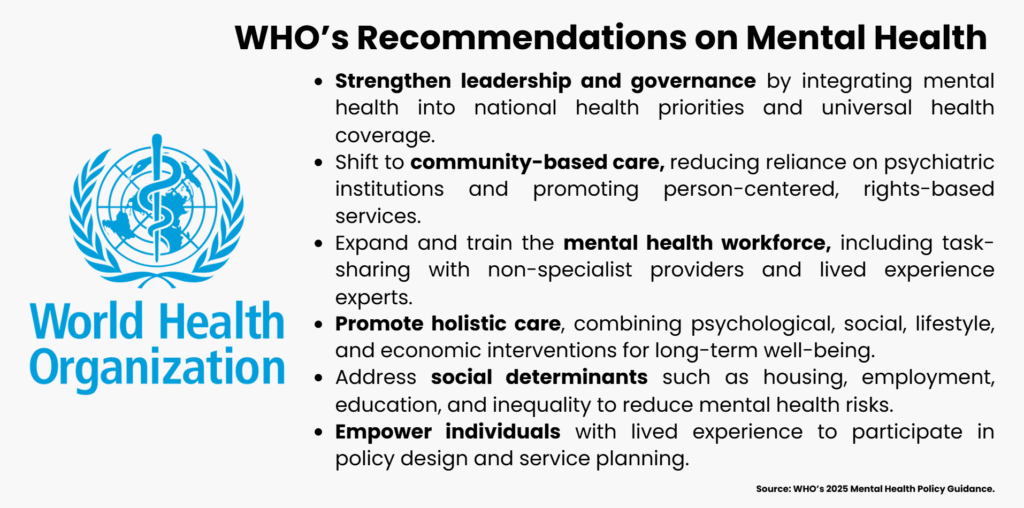
The WHO Report 2025 revealed that more than 1 billion people face mental health challenges. This figure underscores the severity of the global mental health crisis. Mental health problems such as depression, anxiety, bipolar disorder , and paranoid disorder are rapidly increasing.
These statistics aren’t just statistics , they reveal the true picture of our society. Hundreds of people commit suicide every day due to mental health challenges, millions struggle with unstable mental states , and we continue to fail to understand and address this.
While releasing this report, WHO also confirmed that mental health problems not only affect personal life , but economic development , social inequalities , and physical health are also being affected by the problems related to it.
2. Mental health services need to change, according to WHO
In its new guidelines, WHO clarifies the urgent need for transformation in mental health services. Currently, mental health services and treatments are largely concentrated outside of basic facilities . WHO calls for mental health to be integrated into mainstream health services .

Additionally, policies prioritizing mental health must be developed to ensure easy access to treatment and management across all settings . Equally important is raising awareness about mental health , so that people can acknowledge their mental health issues and seek timely help.
According to WHO, mental health care should be prioritized in community-based services and primary care centers , so that people can get treatment closer to home.
3. Holistic Approach to Mental Health
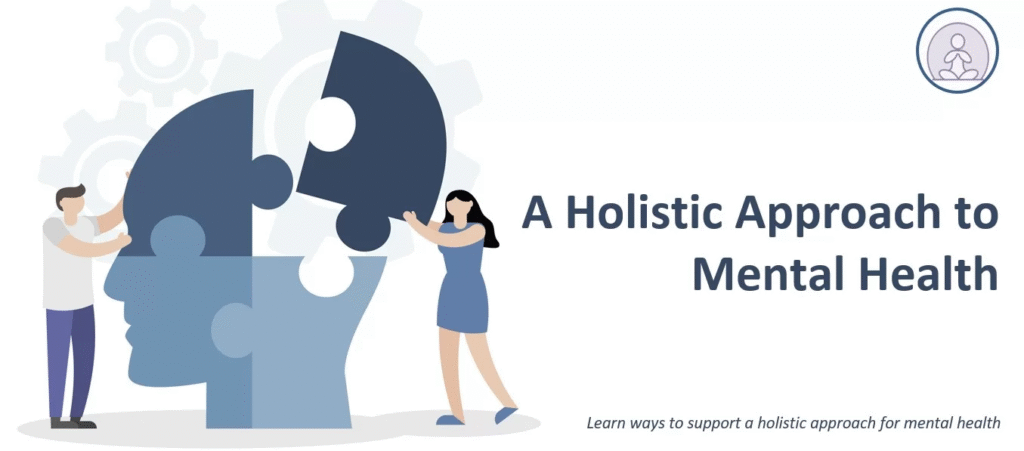
The WHO recognizes that mental health is not just a psychological issue, but is deeply intertwined with our overall well-being . Mental health is deeply intertwined with physical health, lifestyle , social relationships , and economic status . According to the WHO report, supporting mental health requires a holistic approach that focuses not only on treating the illness but also on prevention and promotion .
Our social and lifestyle habits, such as stressful work environments, financial insecurity, and relationship problems, exacerbate mental health problems. The WHO recommends that we approach mental health from a holistic perspective , emphasizing physical, mental, and social well-being in a balanced way.
4. The need for effective mental health policies
The WHO report also highlighted the urgent need for improved mental health policies . There is a significant shortage of mental health services, and policymakers do not recognize this as a permanent problem . The WHO recommends incorporating mental health issues into national policies and strategies, and addressing the political, social, and economic factors that contribute to mental health .
WHO’s policies are based on achieving equity in mental health treatment worldwide and addressing the internal and external causes of mental illness . Furthermore, WHO has emphasized the need for training and strengthening the mental health workforce.
5. What do mental health concerns mean to us?
Looking at the WHO report, we understand that mental health isn’t just an individual issue, but rather, it’s deeply rooted in societal problems . Mental health issues affect all segments of society —whether it’s young people, the elderly, women’s issues, or workplace stress.
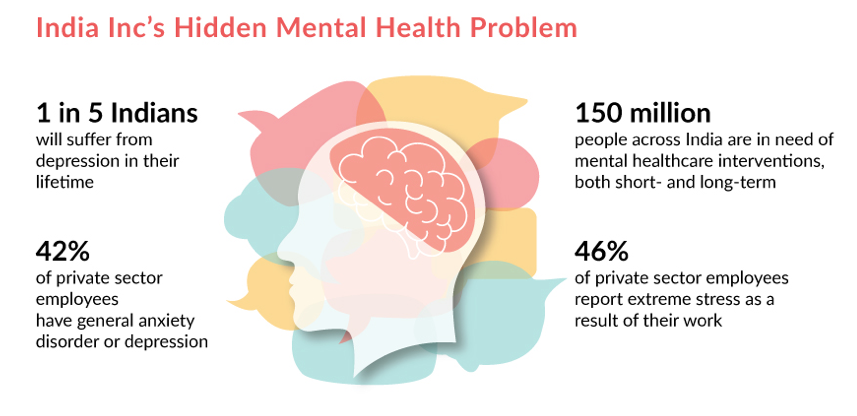
The most effective solution to mental health is to change our lifestyle , society , and systems . Raising awareness , social support , and family support can address this issue.
Conclusion: What to do now?
The WHO Report 2025 has proven that mental health has become a serious global issue. We cannot ignore it. Now is the time to mainstream mental health issues , raise awareness , and ensure effective policies and services .
#MentalHealth #WHO2025 #MentalHealthAwareness #GlobalMentalHealth #Carrerbook #Anslation #MentalHealthMatters #Prevention #MentalHealthSupport #WHOReport