

Introduction: Why Healing Therapies Matter
In today’s fast-paced world, people are looking beyond pills and surgeries. They’re seeking holistic solutions that heal mind, body, and spirit. Modern healing therapies combine ancient wisdom with evidence-based techniques. These approaches don’t just mask symptoms—they aim to restore balance and help you live with more vitality.


What Are Healing Therapies?
“Healing therapies” refers to a wide range of practices — from talk therapy and mindfulness to energy healing and body-based modalities. These methods focus on treating the root causes of distress rather than just the symptoms. Many types are detailed in the “Types of complementary and alternative therapies” overview by Mind. mind.org.uk
Here’s a quick breakdown of what makes them special:
- They are often non-invasive and emphasize self-care.
- They combine psychological, physical, and emotional healing.
- They adapt to modern needs: for example, online therapy, virtual formats, mobile apps. smartherapypc.com+1
Internal Link Suggestion: See our post on “How to Choose the Right Healing Therapy for You” for a deeper dive.
Key Modern Healing Therapies That Actually Work
Below are some of the most impactful therapies — each described with how they work, why they work, and practical tips to try them.
1. Cognitive Behavioral Therapy (CBT)
Also listed by Psychotherapy-sources as one of the most evidence-backed techniques. Psychology Today+1
- What it does: Helps you identify unhelpful thought patterns and replace them with healthier ones.
- Why it’s effective: It’s structured, goal-oriented and backed by many clinical studies.
- Try it: Work with a licensed therapist, or use apps that guide basic CBT exercises.
Highlight: Changing your thinking can directly change your feelings and behaviours.
2. Mindfulness & Meditation

Often described as “body-mind healing in real time.”
- What it does: Develops present-moment awareness and emotional regulation.
- Why it’s effective: Research shows it lowers stress, improves mood, and enhances brain plasticity. Verywell Mind
- Try it: Set aside 10 minutes daily. Use guided audio, focus on your breath, observe thoughts without judgment.
Highlight: When your mind stops racing, your body begins to heal.
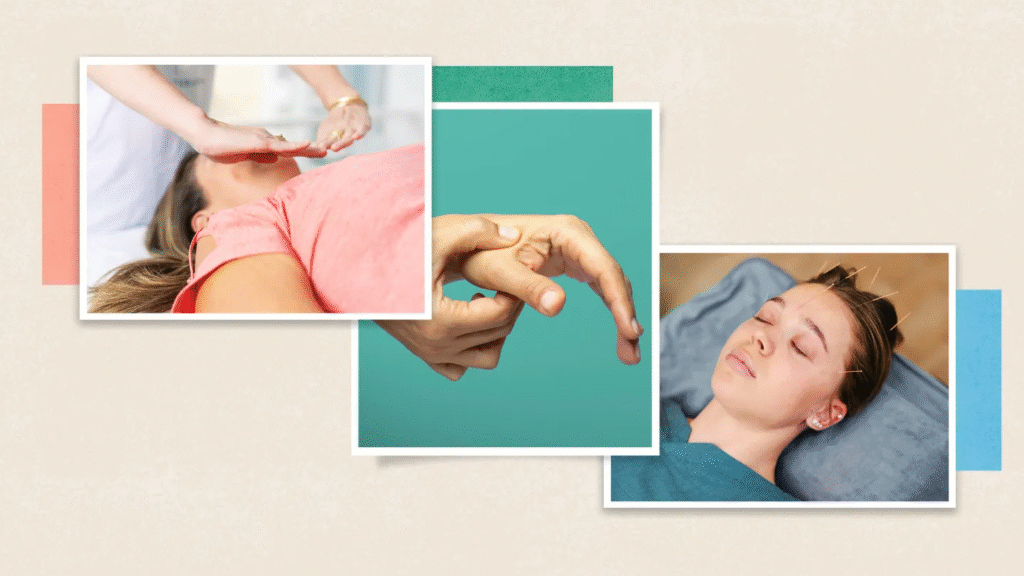
3. Energy Healing & Somatic Therapies
Examples: Eye Movement Desensitization and Reprocessing (EMDR), energy psychology, trauma-informed body work. Wikipedia+1
- What it does: Addresses how trauma is stored in the body and nervous system.
- Why it’s effective: These methods help release physiological responses held over time, not just thoughts.
- Try it: Find trained practitioners in EMDR, trauma-informed yoga, somatic experiencing.
Highlight: Healing isn’t only in the mind — it’s also in the body.
4. Complementary Therapies (Yoga, Tai Chi, Aromatherapy)
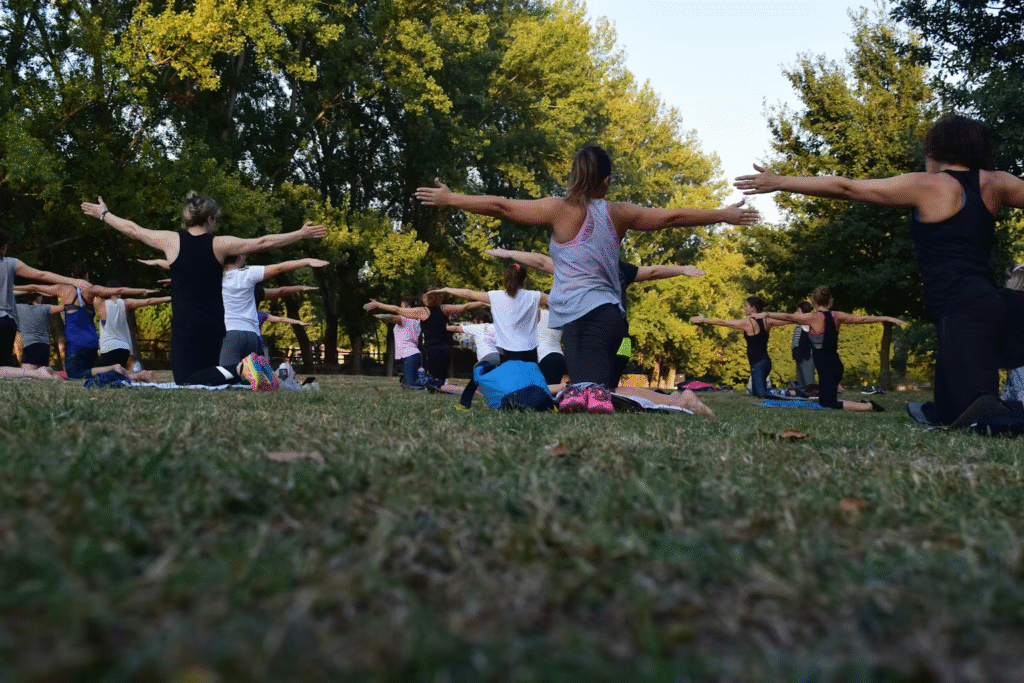
These combine ancient practices with modern wellness. Verywell Mind+1
- What they do: Increase flexibility, circulation, mind-body harmony.
- Why they’re effective: They promote holistic health and integrate easily into everyday life.
- Try them: Attend a beginner yoga class, try gentle Tai Chi, or use aromatherapy at home.
Highlight: Small daily habits add up to big changes in long-term wellbeing.
5. Tech-Enabled Therapies & Remote Healing
Modern tech is transforming healing: tele-therapy, apps, wearables. smartherapypc.com
- What they do: Make therapy more accessible, flexible and scalable.
- Why they’re effective: Lower barrier to entry, convenience, often lower cost.
- Try them: Explore reputable online therapy platforms or mindfulness-apps.
Highlight: Healing today fits into your schedule, not the other way around.
How to Choose the Right Therapy for You

Choosing wisely matters. Here’s how to make a smart decision:
- Identify your need: Is it stress, trauma, chronic pain, mindset drift, sleep issues?
- Check evidence & safety: Refer to trusted sources (see “complementary therapies” info by Mind). mind.org.uk
- Match your style: If you hate sitting still, maybe movement-based yoga helps more than talk therapy.
- Set realistic goals: Healing takes time; consistent small steps matter more than grand leaps.
- Internal Link Suggestion: Read “5 Steps to Integrate Healing Therapies into Your Daily Life” for a roadmap.
Practical Tips to Get Started Right Away
- Start with 5-10 minutes a day for mindfulness or gentle movement.
- Pick one guided session (online or local) in a therapy method you’re curious about.
- Keep a journal to track your feelings, sessions, and improvements.
- Use supportive rituals: a cup of herbal tea, short walk after therapy, create a calm space at home.
- Revisit and adjust every 4–6 weeks.
Highlight: Healing isn’t a destination — it’s a journey of small consistent choices.
Benefits & Real-Life Results
When you integrate these therapies, you can experience:
- Better sleep quality and energy levels
- Reduced anxiety, stress, and emotional-reactivity
- Improved physical comfort — less tension, better posture, fewer aches
- Greater mental clarity, resilience, and self-meaning
- A stronger connection between your mind, body and spirit
Caution & What to Know
- Not all therapies are fully proven; choose those with clinical backing (e.g., CBT).
- Therapies do not replace medical or psychiatric treatment when needed.
- Always consult with a qualified practitioner especially if you have serious health concerns.
- Internal Link Suggestion: “When to Combine Conventional Medicine with Healing Therapies”
- Highlight: Your safety and informed choice come first.
Conclusion: Integrate Healing into Your Life

Modern healing therapies are not magic pills — but when chosen thoughtfully and practiced consistently, they can transform how you feel, move, and think. Whether you’re starting with mindfulness, diving into somatic work, or exploring online healing platforms, the key is to find what resonates with you.
Take the first step today, stay curious, and keep exploring. Your journey to deeper wellbeing awaits.
This blog is intended for general informational purposes and should not be taken as professional medical advice. Always consult with your doctor or a licensed therapist before beginning any new therapy or treatment. The internal links included lead to additional resources but do not imply endorsement by the author.
HealingTherapies #MindBodySpirit #ModernWellness #MentalHealthJourney #Carrerbook #Anslation #HolisticHealing #TherapyGuide #MindfulnessPractice #EnergyHealing #YogaLifestyle #OnlineTherapy #SelfCareDaily #WellbeingTips #HolisticHealth #TraumaInformedCare